3 min read
Simplified Stages of Hajj: A Day-by-Day Overview
Hajj is the fifth pillar of Islam and is obligatory for every Muslim who is physically and financially capable once in their lifetime. For those seeking a Hajj package from India, we provide a comprehensive day-by-day guide in this…
Hajj is the fifth pillar of Islam and is obligatory for every Muslim who is physically and financially capable once in their lifetime. For those seeking a Hajj package from India , we provide a comprehensive day-by-day guide in this article to help you understand and perform the Hajj rituals correctly
Day 1: 8th of Dhul-Hijjah (Day of Tarwiyah)
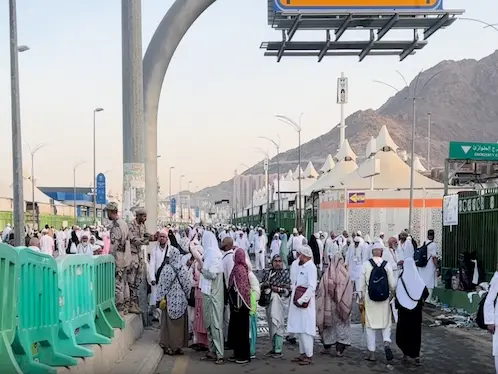
Hajj begins on the 8th of Dhul-Hijjah, known as the Day of Tarwiyah. On this day, pilgrims travel to Mina, located about 7 kilometers from Makkah. Pilgrims don their Ihram garments, entering a state of purity and intention to perform Hajj. In Mina, they spend the day in prayer and remembrance, performing shortened prayers (Dhuhr, Asr, Maghrib, Isha, and Fajr) without combining them. The Day of Tarwiyah serves as a preparatory stage, where pilgrims get ready for the next day, the Day of Arafat, which is the most important pillar of Hajj.
Day 2: 9th of Dhul-Hijjah (Day of Arafat)
The Day of Arafat is the most significant day of Hajj. After Fajr prayer, pilgrims head to Mount Arafat, where they make prayers and supplications to Allah (SWT). Standing at Arafat is the most important ritual of Hajj, as the Prophet Muhammad (PBUH) said, “Hajj is Arafat.” Pilgrims stand at Arafat from midday (Dhuhr) until sunset. During this time, pilgrims are encouraged to make plenty of supplications, prayers, and seek forgiveness, as it is one of the best days of the year for prayers to be answered and sins to be forgiven.
Day 3: 10th of Dhul-Hijjah (Day of Sacrifice)
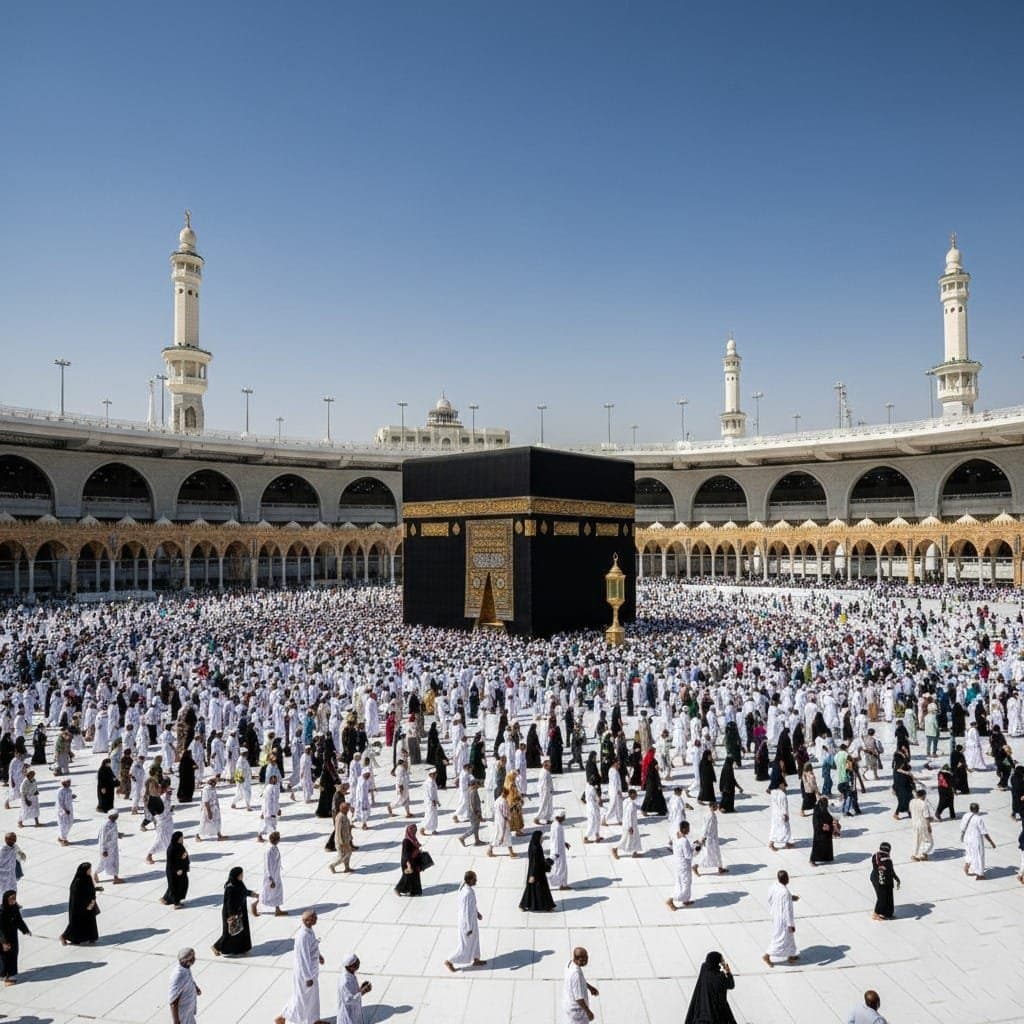
After sunset on the Day of Arafat, pilgrims proceed to Muzdalifah, where they perform Maghrib and Isha prayers together and collect pebbles for later use in the stoning ritual. Pilgrims spend the night in Muzdalifah until Fajr. On the 10th of Dhul-Hijjah, known as the Day of Sacrifice (Yawm al-Nahr), pilgrims begin by throwing seven stones at the large Jamrah (symbolizing the stoning of the devil). Then, they perform the sacrifice and proceed to shave their heads or trim their hair (symbolizing partial release from the state of Ihram). Afterward, pilgrims go to the Grand Mosque to perform the Tawaf al-Ifadah, an essential Hajj ritual, followed by Sa’i between Safa and Marwah. Upon completing these rituals, most of the Hajj obligations are fulfilled.
Day 4: 11th of Dhul-Hijjah (First Day of Tashreeq)
The first day of Tashreeq begins with pilgrims throwing pebbles at the three Jamarat (small, medium, and large). Seven pebbles are thrown at each pillar, and it is preferable to make prayers and supplications afterward. After stoning, pilgrims return to Mina to spend the night. The Days of Tashreeq are blessed days, during which pilgrims continue their worship, prayers, and reflections.
Day 5: 12th of Dhul-Hijjah (Second Day of Tashreeq)
On this day, pilgrims repeat the stoning of the three Jamarat as they did on the previous day. Those who wish to leave Mina early, known as ta’jil, may depart after completing the stoning, provided they leave before sunset. For those who choose to stay, they spend another night in Mina, preparing for the third day of Tashreeq.
Day 6: 13th of Dhul-Hijjah (Third Day of Tashreeq)
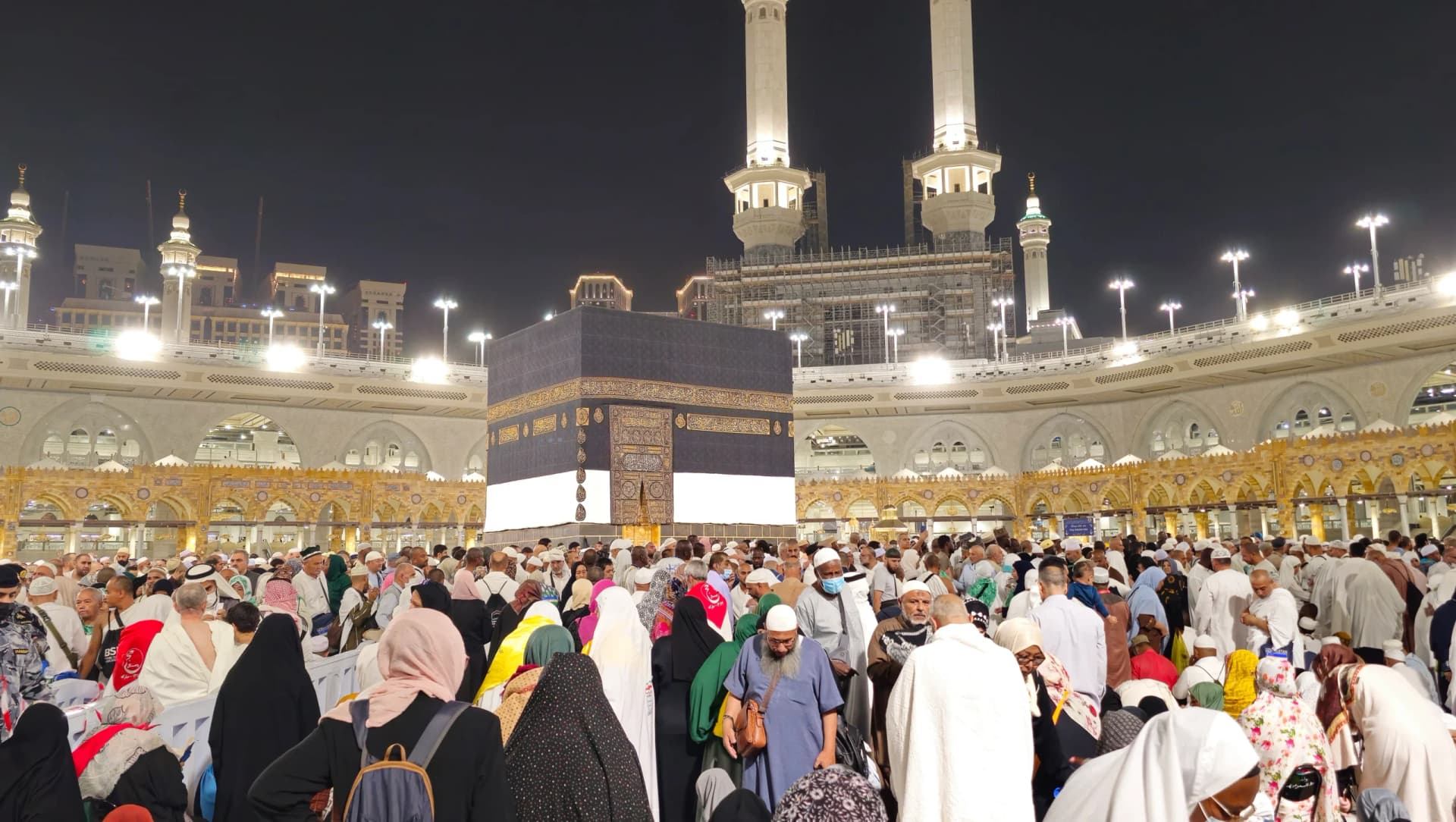
The third day of Tashreeq is the final day of stoning in Mina. Pilgrims once again throw pebbles at the three Jamarat for the last time. After this, they leave Mina and return to Makkah to complete their Hajj with the Farewell Tawaf (Tawaf al-Wada’), which is the final act of worship before leaving the holy city. The Farewell Tawaf marks the spiritual conclusion of this sacred journey, as pilgrims bid farewell to the Kaaba, asking for acceptance and forgiveness.
Summary
The journey of Hajj, including Economy Hajj Packages 2026 requires careful planning and understanding of each stage to ensure it proceeds smoothly. Pilgrims need to be familiar with the rituals like Ihram, Tawaf, and the stoning of the Jamarat, along with logistical preparations such as transportation, accommodation, and adhering to health regulations. Psychological readiness is also important to cope with the crowds, weather, and distances. Good planning allows pilgrims to focus on the spiritual aspects and avoid worries about organizational matters.